
In recent years, our stewardship team has been hard at work building habitat for wildlife on our properties.
Land that was once completely overtaken by invasive grasses and other weeds now blooms with yarrow, California fuchsia, California milkweed, and other native plants, many of which strongly support our local pollinators.
Most of these native plants also provide habitat for western pond turtles, Alameda whipsnakes, native fish, and other species of wildlife.
Our restoration work has been supported by a grant from the California Department of Fish and Wildlife, to whom we are deeply grateful.
Our Marsh Creek Properties
Our Marsh Creek properties have seen some dramatic changes over the years, thanks to the hard work of our amazing stewardship volunteers and staff.
This summer and fall, we’re actively watering more than 700 plants on our Marsh Creek 7 property and have been adding a second layer of mulch to protect the pollinator garden.
Check out how Marsh Creek 7 has changed since 2022!
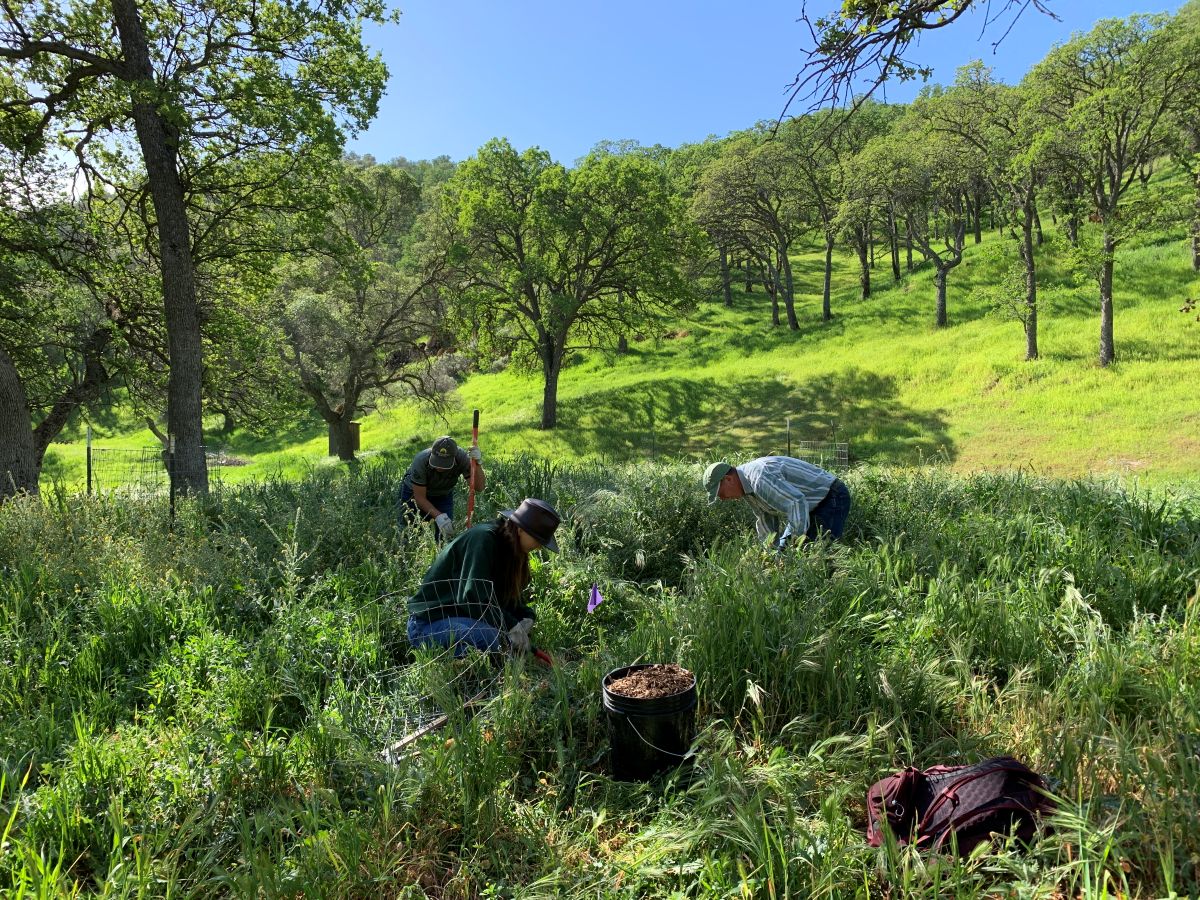
Spring 2022. Photo by Haley Sutton
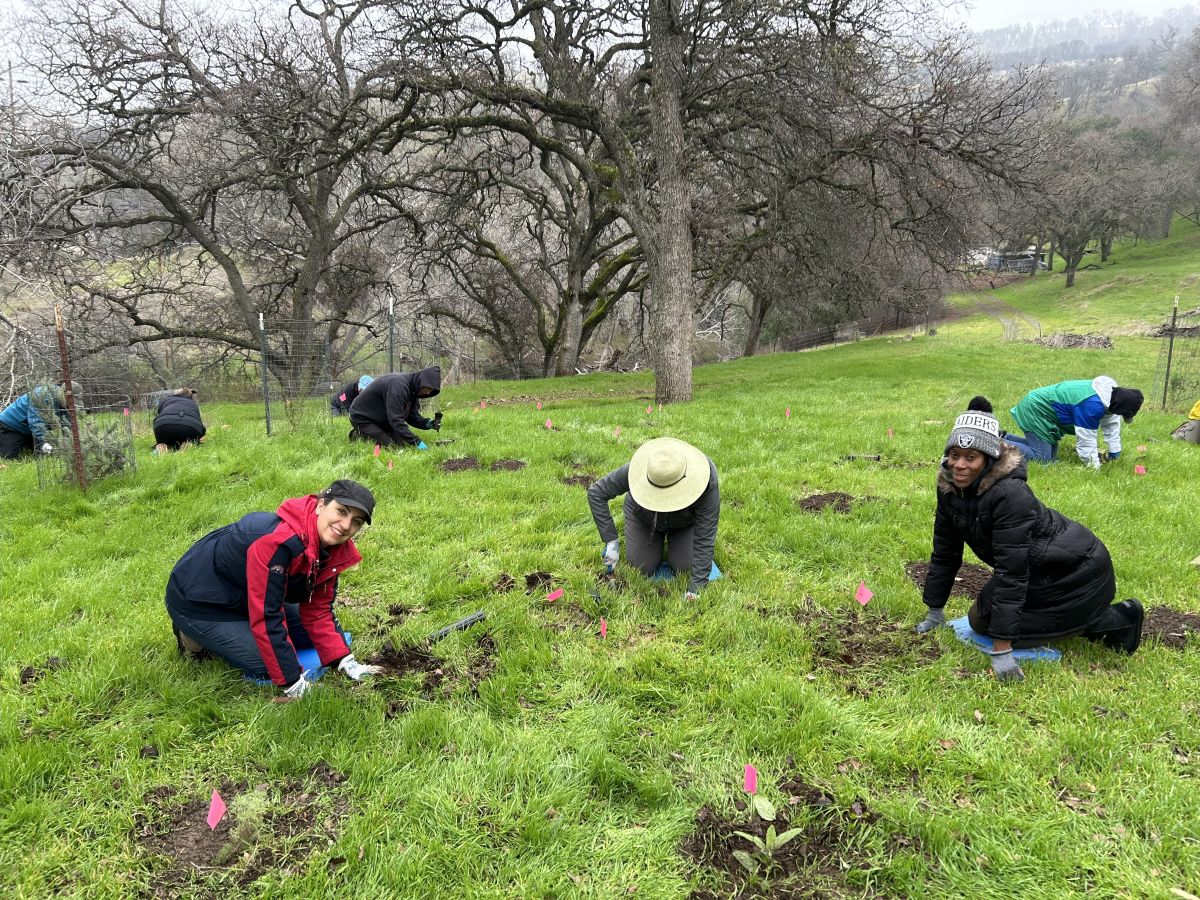
Planting! Winter 2024. Photo by Mary Nagle
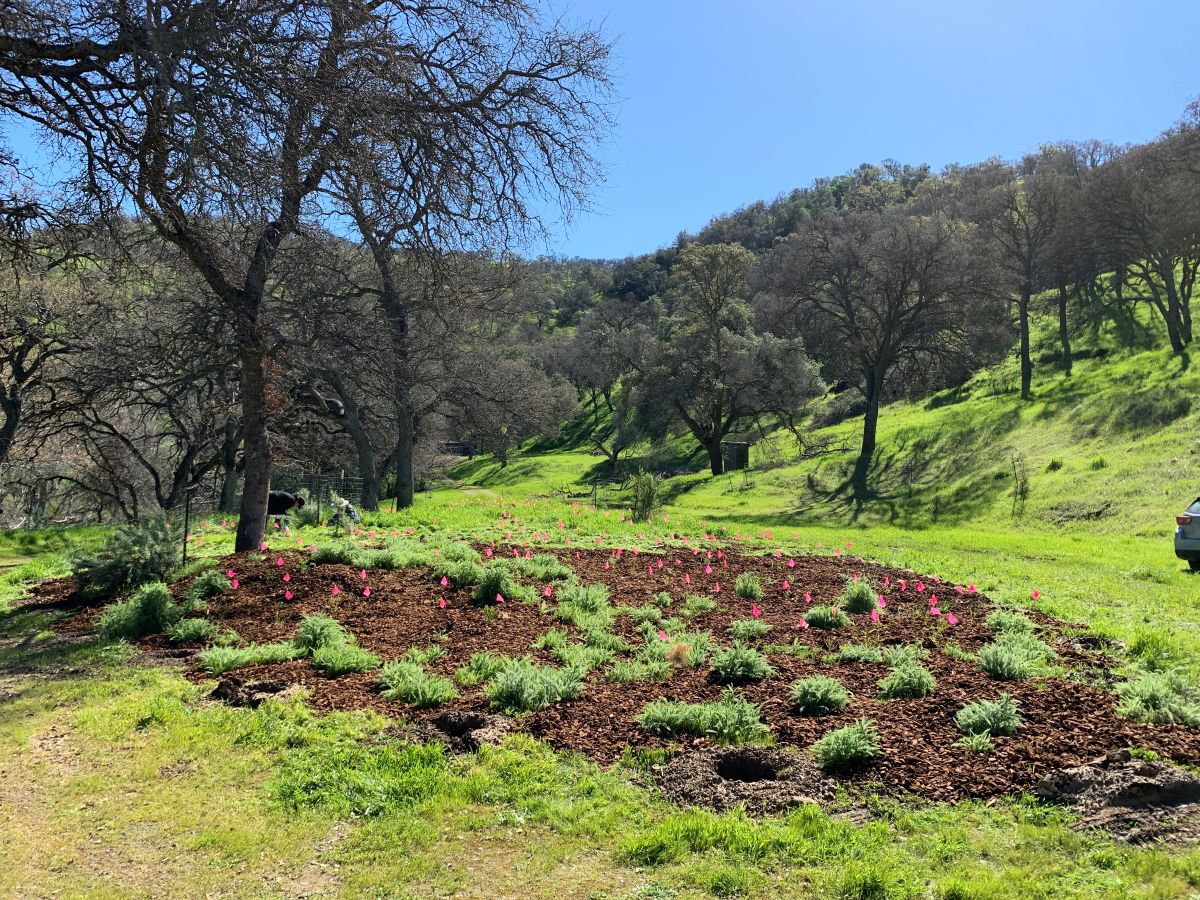
Mulching! Winter 2024. Photo by Haley Sutton
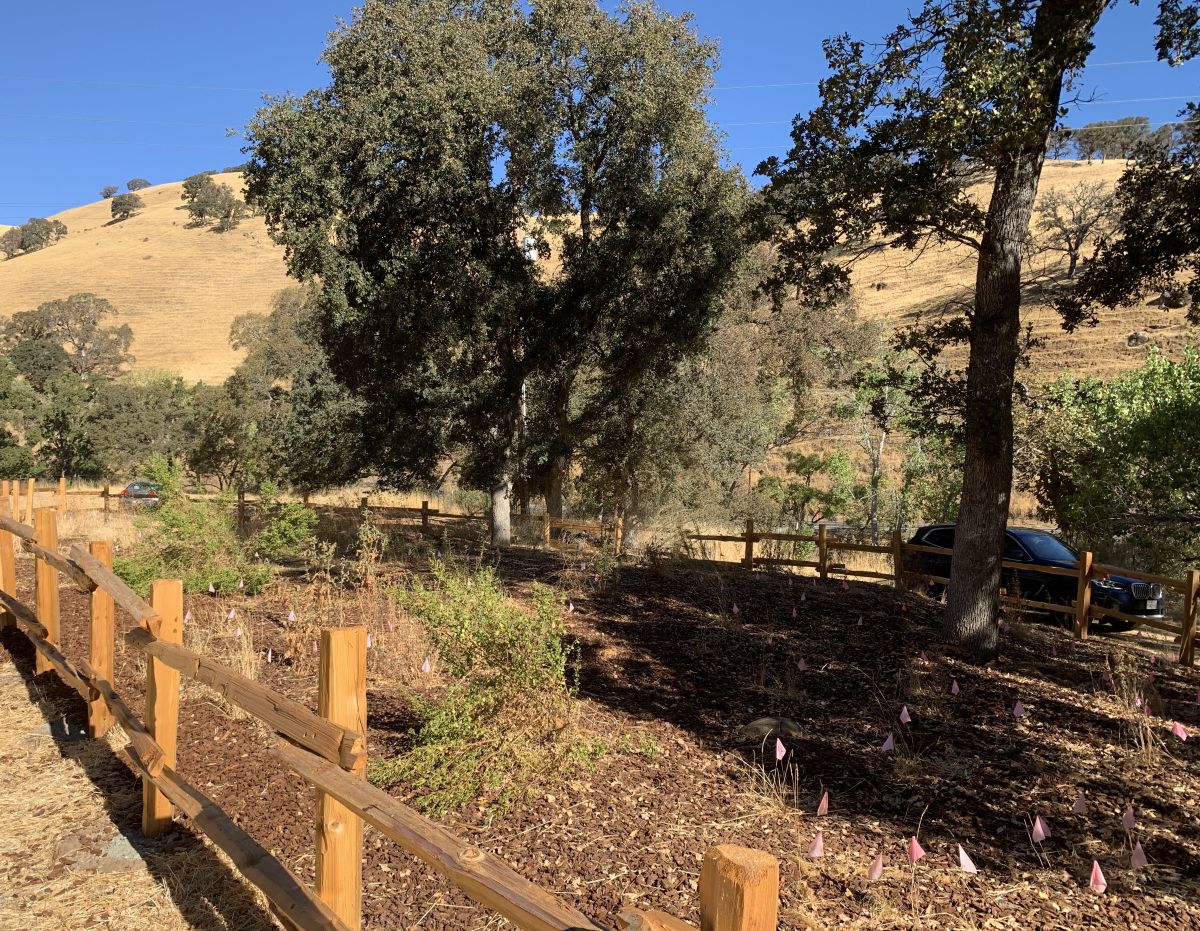
New fence! Summer 2024. Photo by Haley Sutton
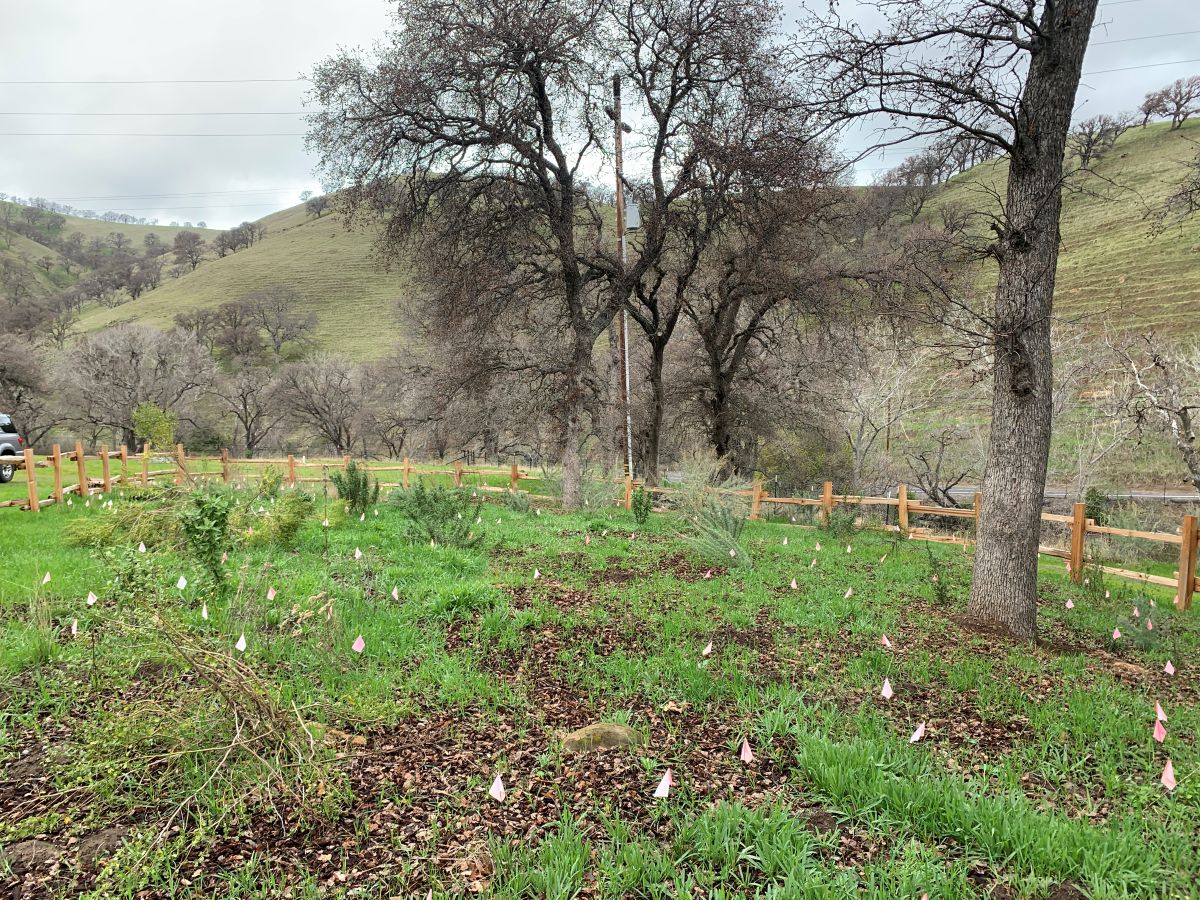
Winter 2025. Photo by Haley Sutton
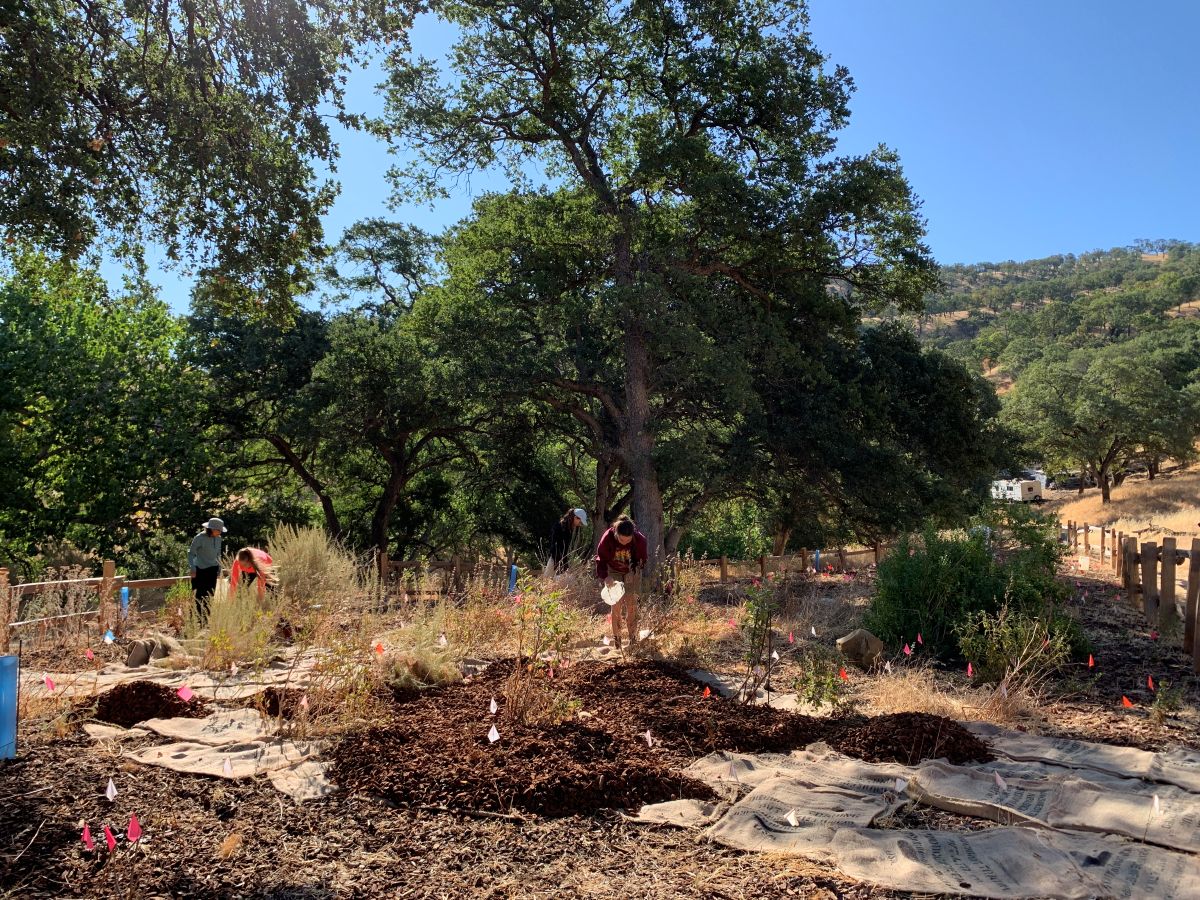
Adding another layer of mulch and watering! Summer 2025. Photo by Haley Sutton
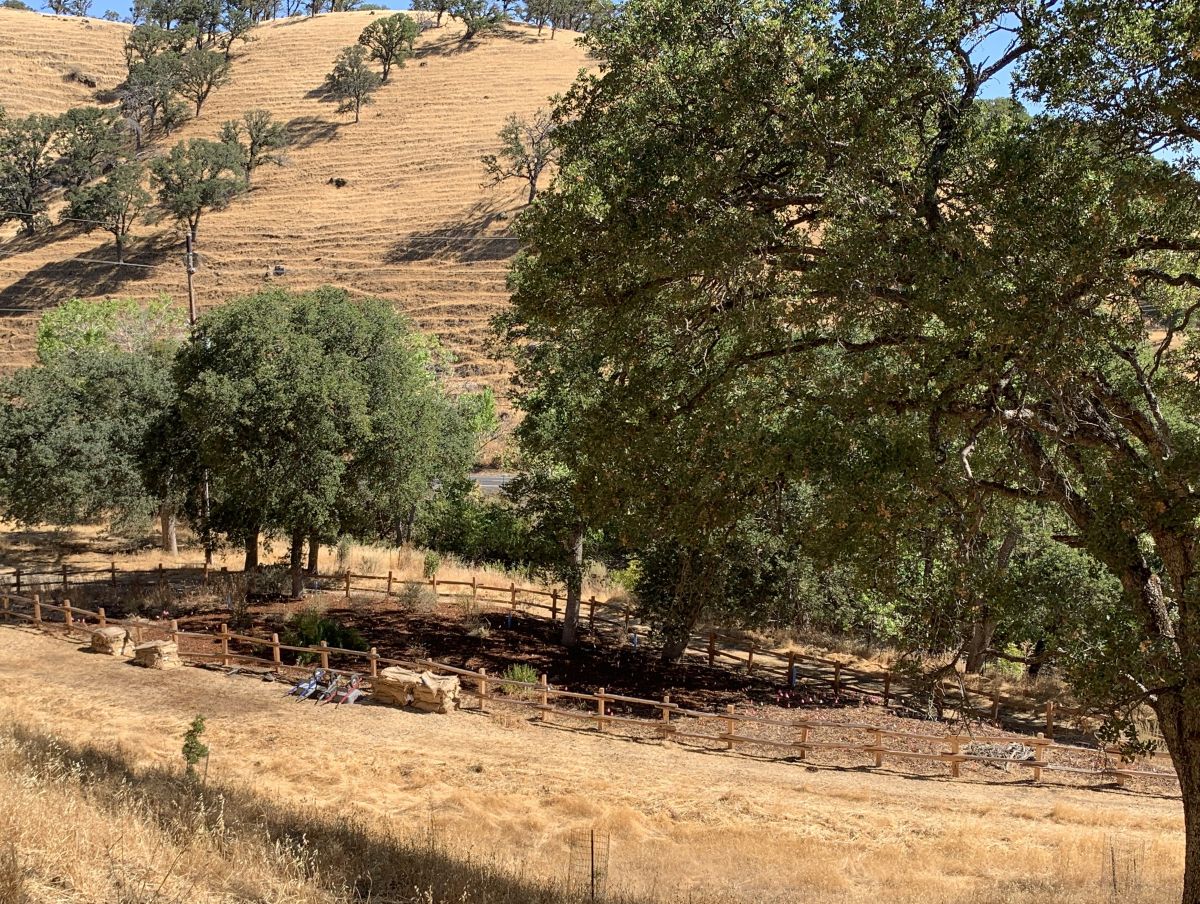
Summer 2025. Photo by Haley Sutton
Curry Canyon Ranch
At our largest property, Curry Canyon Ranch, we’ve planted and protected hundreds of native plants, including blue oaks, willows, and California milkweeds, with the help of volunteers and students through our Diablo Conservation Experience program.
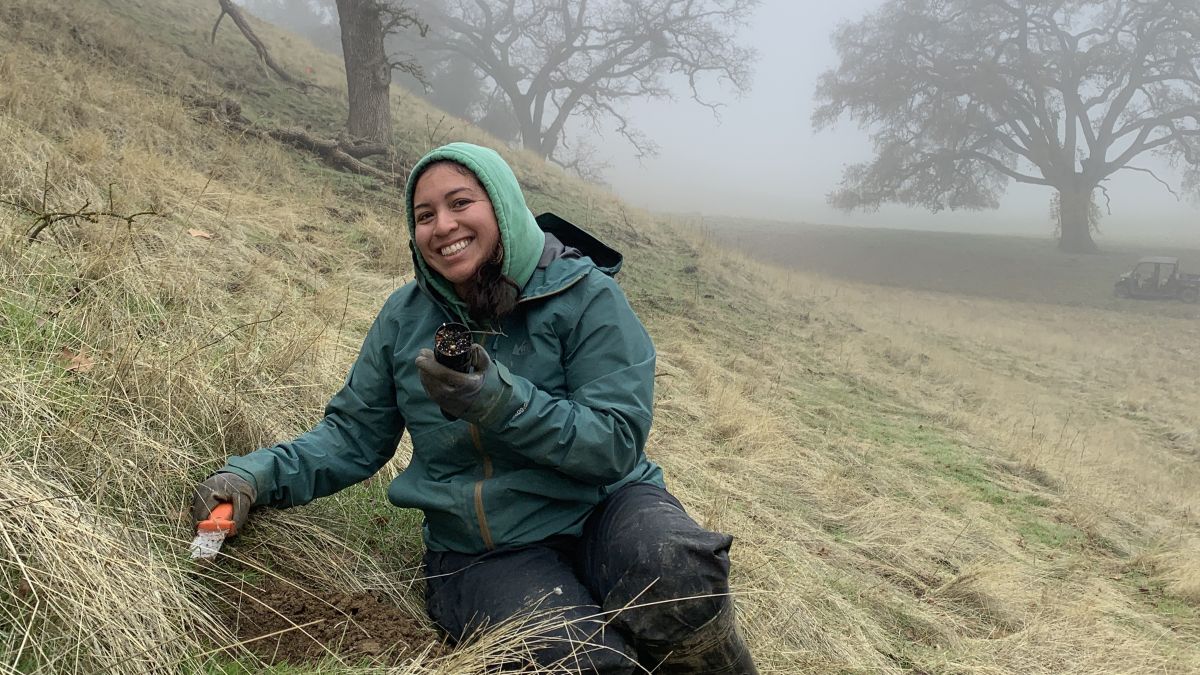
Planting milkweed at Curry Canyon Ranch. Photo by Haley Sutton
This program helps us create healthy habitat and connect the next generations with nature.
As of early October 2025, we’ve gotten more than 450 students out into nature across our properties, with a lot more planned in the next few weeks.
Mangini Ranch Educational Preserve
After we opened our Mangini Ranch Educational Preserve in 2022, we got to work creating two pollinator gardens.
To date, we have removed invasive grasses, added mulch, built fencing and an educational kiosk, and planted an assortment of native pollinator-friendly plants.
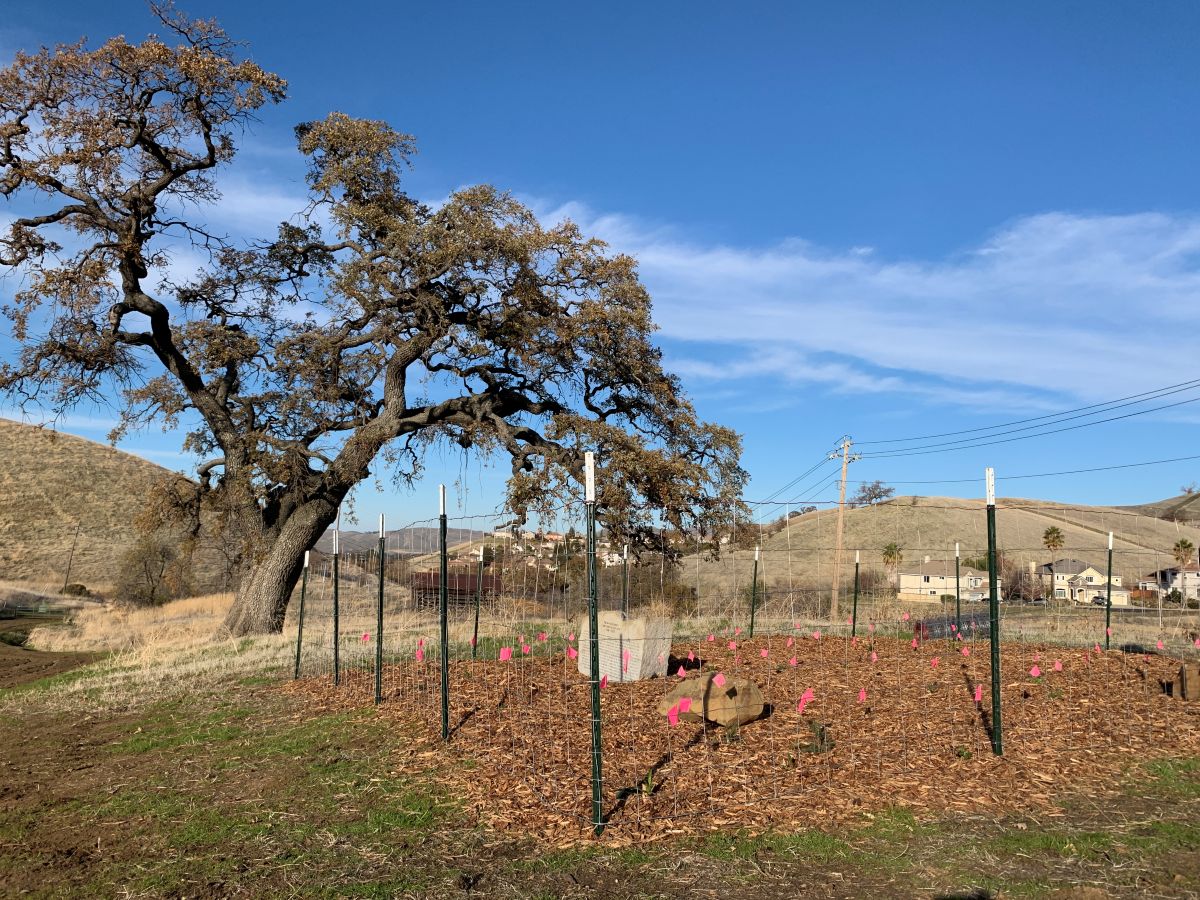
Fall 2022. Photo by Denise Castro
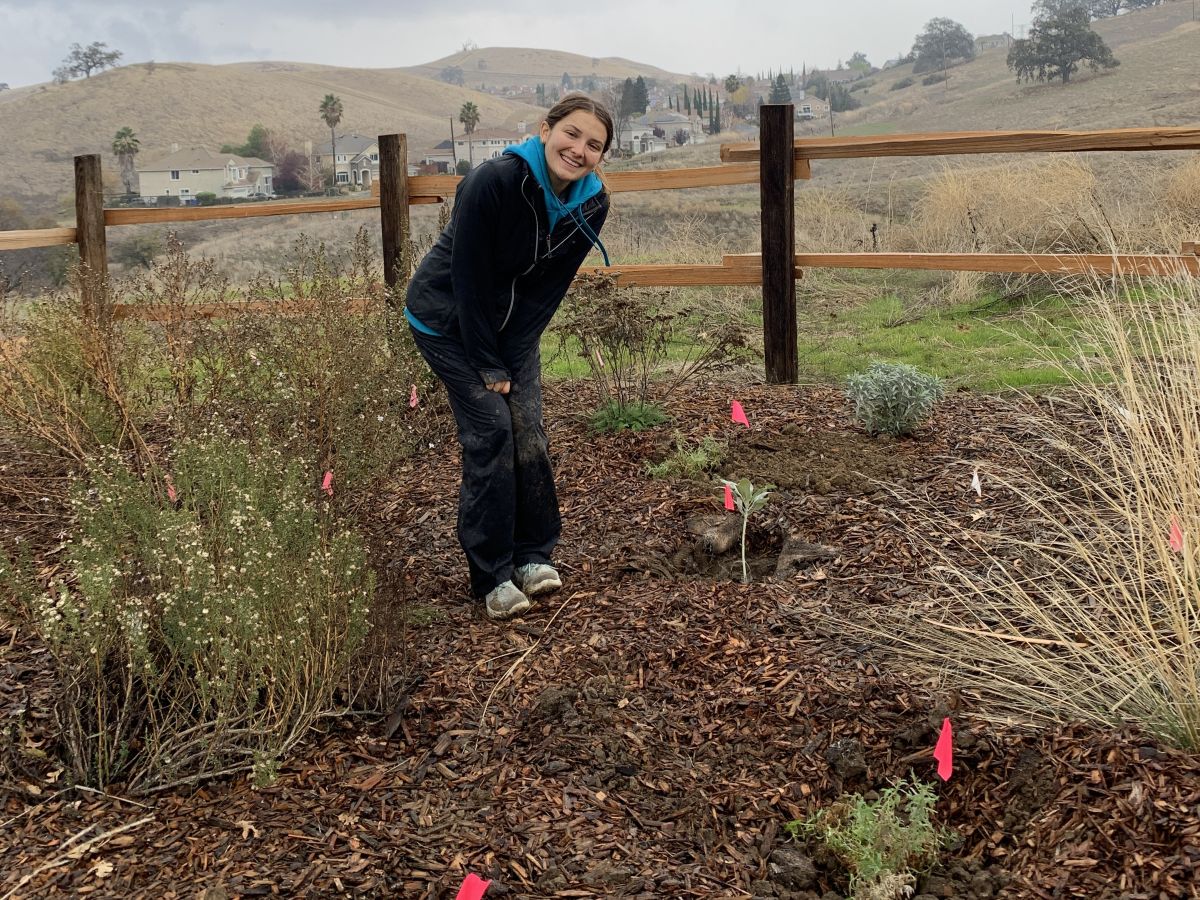
Planting at Mangini. Fall 2023. Photo by Haley Sutton
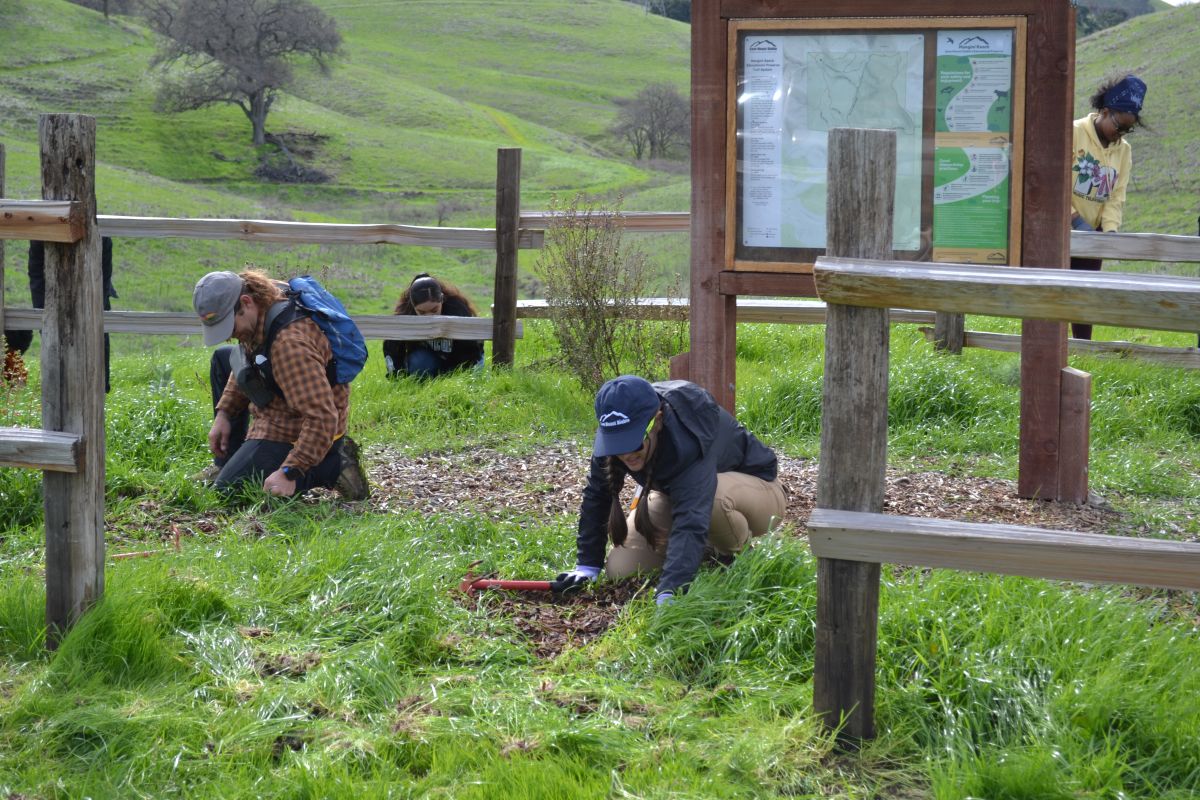
Weeding around the kiosk. Winter 2024. Photo by Mary Nagle
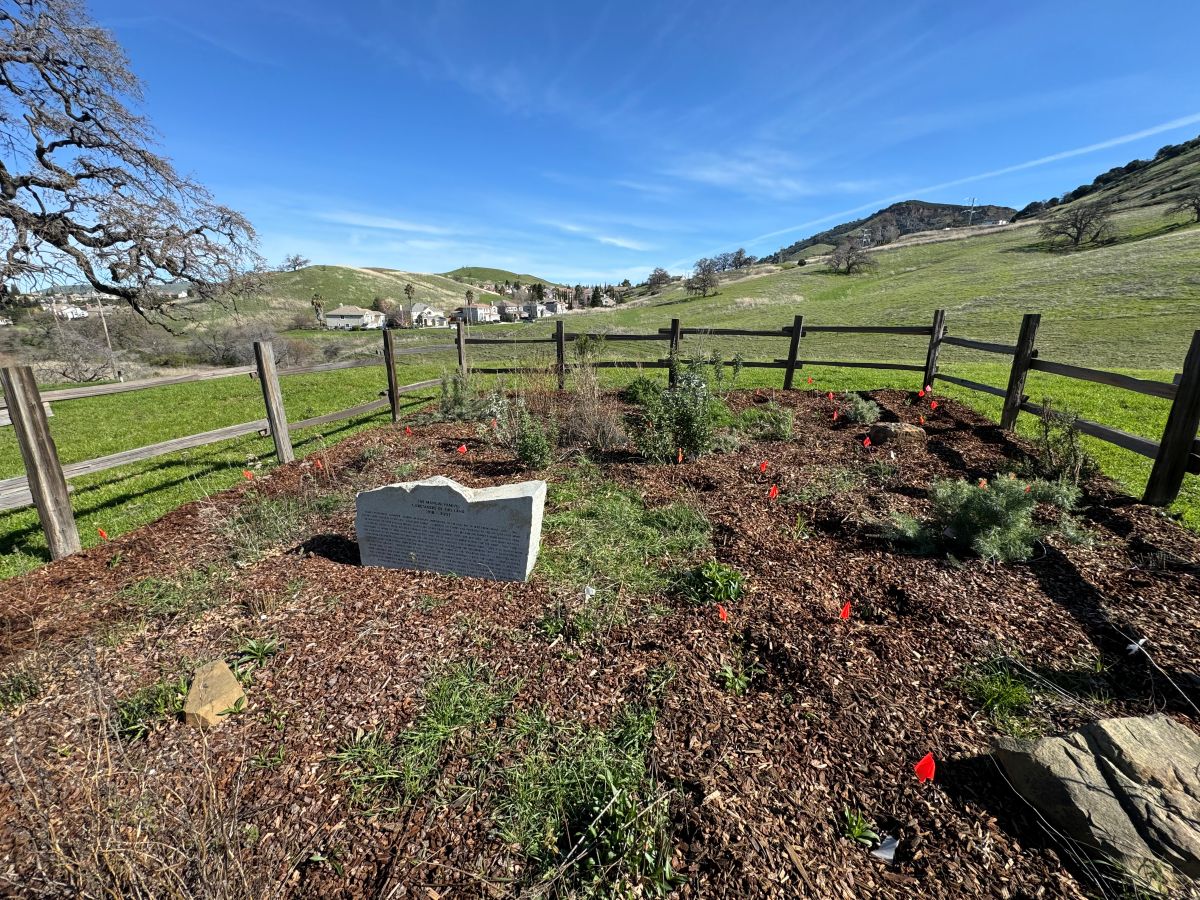
Mangini Preserve pollinator garden. Winter 2025. Photo by Haley Sutton
Invasive Plants
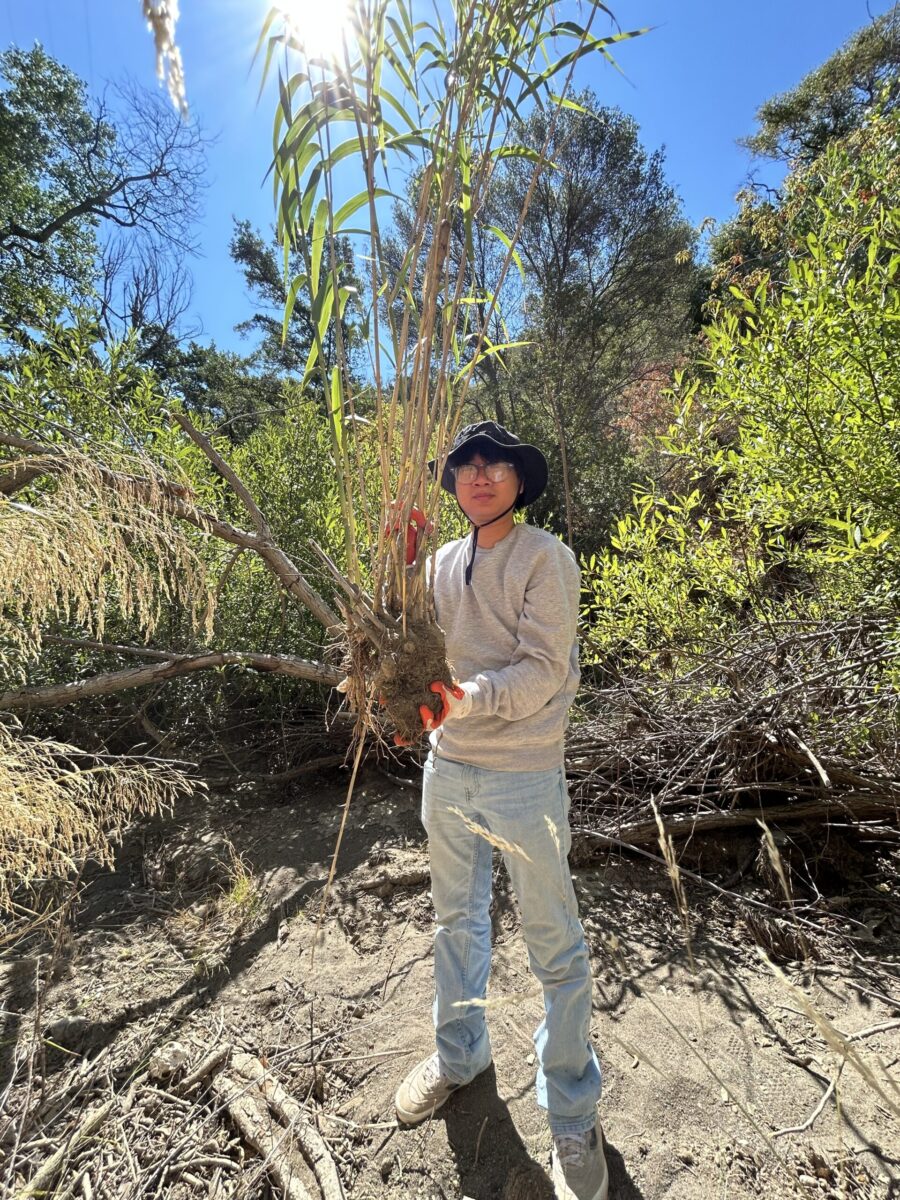
Our summer intern, Jason Thai, holds a removed giant reed at Big Bend. Photo by Roxana Lucero
Of course, we also spend plenty of time in the weeds, removing populations of invasive plants on our properties.
Without vigilant and active stewardship, invasive plant populations can get out of control and overtake Mount Diablo’s habitats.
Currently, we’re working on digging out a stubborn population of giant reed (Arundo donax) from the creek banks at Big Bend.
Arundo consumes huge amounts of water, outcompetes native plants, doesn’t provide much or any food or habitat for wildlife, and increases the risk of flooding and wildfire.
We’ve also worked to remove artichoke thistle, stinkwort, goat grass, and fast-growing invasive grasses that choke out native plants, preventing them from growing and thriving.
Beautifying the Land
When we acquire land, it is often far from untouched. Sometimes our work involves beautifying the land by removing debris left from ranching and other projects that took place on the land throughout its history.
In recent years we’ve removed tens of thousands of pounds of material, such as scrap metal and tires, from nature, removing obstructions that have, in some cases, impacted Mount Diablo’s wildlife for decades.
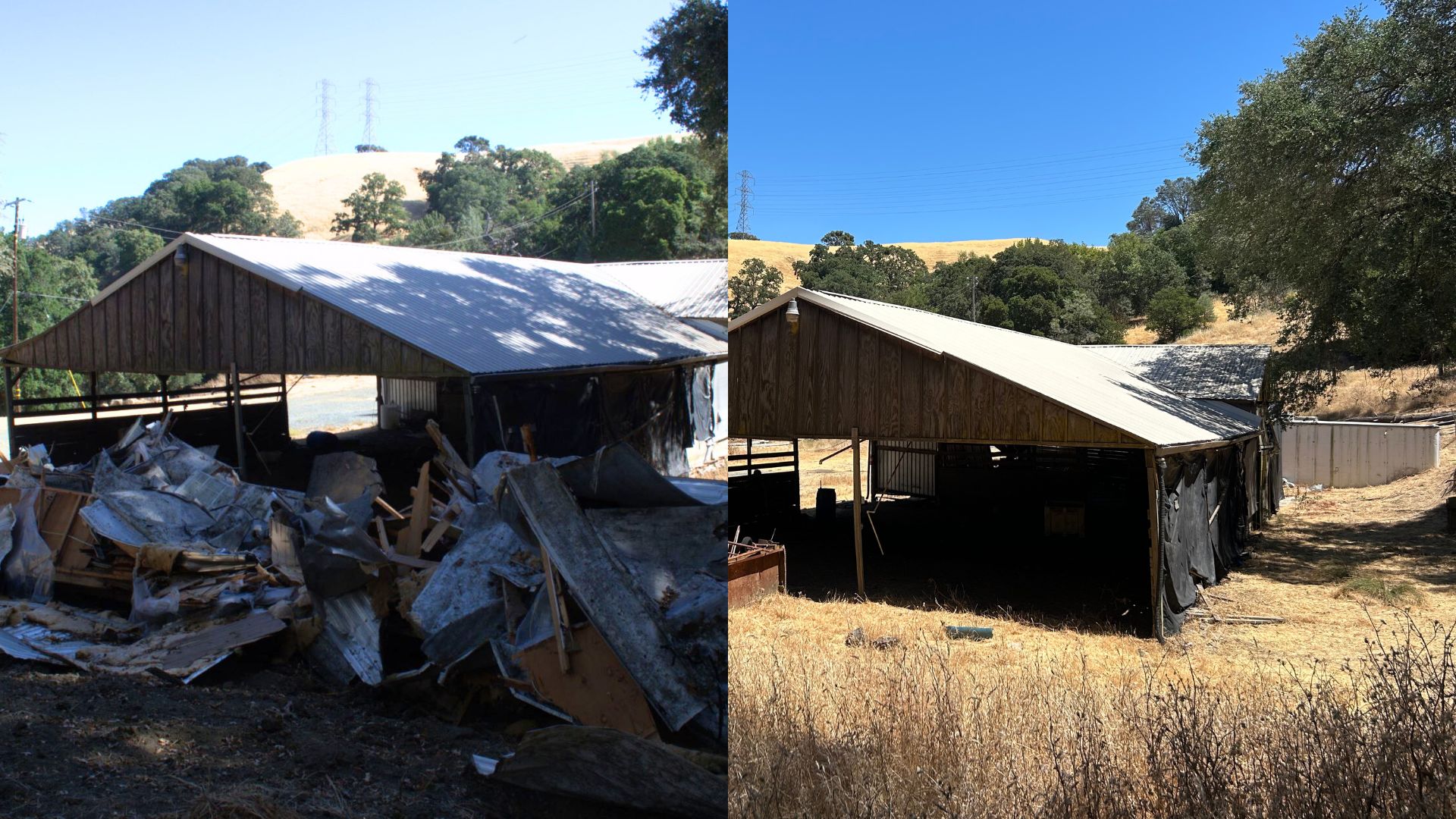
Before and after! Photos by Haley Sutton and Mary Nagle
Planting and Protecting 10,000 Trees and Plants
Stewardship is forever—we’ve been taking care of open spaces on and around Mount Diablo for many decades.
As part of our habitat restoration and climate action work, we’ve committed to the ambitious goal of planting and protecting 10,000 trees and plants in 10 years.
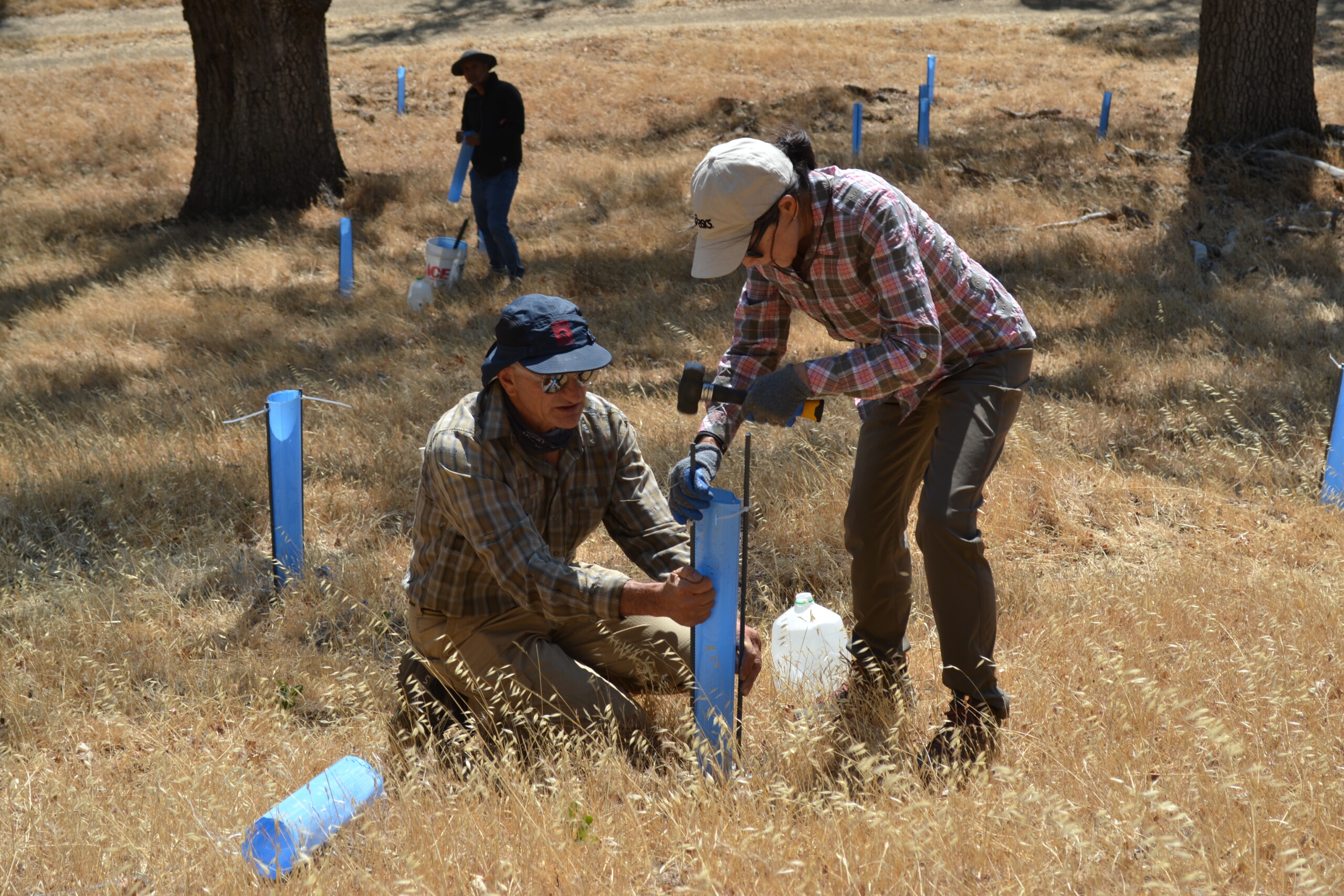
We have committed to protecting and planting 10,000 native trees and plants in 10 years. Photo by Haley Sutton.
Since we started the project, we’ve planted and protected roughly 1,000 trees and plants every year! As of October 2025, we have planted and protected 4,782 trees and plants, with more to come. At this rate, we’re well on track to reach our goal.
Much of this work has been accomplished by our dedicated Diablo Restoration Team (DiRT) volunteers.
Go to our volunteer website if you’re interested in being a part of this work and joining our Diablo Restoration Team.

