A Big Mountain Range Requires Big Conservation
California has a history of big conservation wins.
Whether it’s
- ending hydraulic gold mining in the Sierra Nevada in the late 1800s,
- protecting giant redwood trees from logging efforts in the 1970s, or
- preserving the southeastern deserts through the California Desert Protection Act in the 1990s,
. . . conservation has always been at the forefront of the state’s priorities.
When California’s 30×30 goal (conserving 30 percent of California’s lands and coastal waters by 2030) was issued in 2020, the environmental community began to look for conservation opportunities.
Save Mount Diablo saw one hiding in plain sight: protecting the Diablo Range.
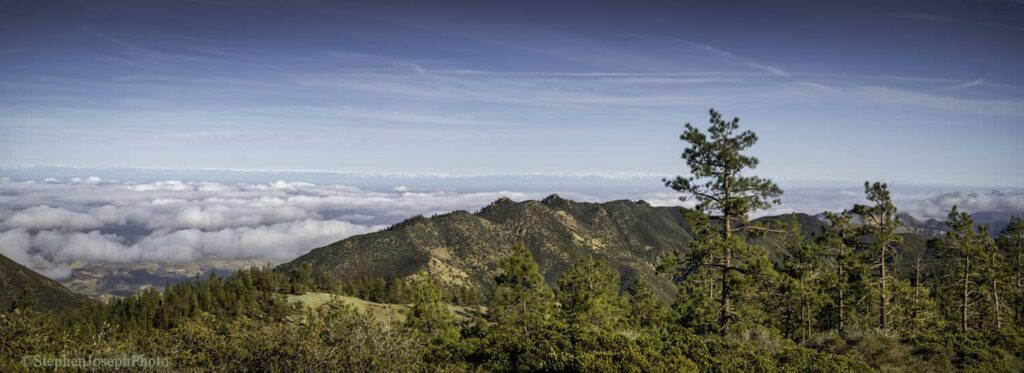
The Diablo Range is California’s next big conservation story. This giant mountain range is five times the size of Yosemite National Park and stretches across 12 counties from its northernmost point in Contra Costa County down to its southern tip in Kern County.
It’s nestled between Interstate 5 on the eastern side and Highway 101 to the west. Most people drive directly next to the Diablo Range without giving it a second thought.

The Diablo Range is five times the size of Yosemite National Park. Photo: Scott Hein
Protecting massive landscapes is a large undertaking. One of the ways we’re working in the range is focusing on protecting land near or adjacent to currently protected public and private land.
In doing so, we can begin to build wildlife corridors, work to expand public access, and establish critical preserves and parks.
The Diablo Range stretches over 4 million acres. Only 27 percent of it has some level of protection. The remaining 73 percent of unprotected land remains at risk to development, alternative energy projects, transportation networks, or other types of threats.
This makes for an incredible conservation opportunity. Conserving the Diablo Range would help preserve some of the most biodiverse landscapes in the continental United States, including redwood groves, deserts, chaparral, oak savannas, and numerous waterways.
Many endangered, threatened, and rare species live in the range as well, including California condor, blunt-nosed leopard lizard, mountain lion, and San Joaquin kit fox.
The largely undeveloped Diablo Range acts as one of the few intact California landscapes that these species can thrive in.
By working with partner organizations, private landowners, and government officials throughout the range, we can help preserve these landscapes and the species inhabiting them. As we’ve recently seen, such work is needed more now than ever.

California condors, for over a century absent in the Altamont and surrounding East Bay landscape, have been recorded flying up the Diablo Range through these areas for the past five years. Photo: Jean Beaufort
Resisting Federal Threats to the Range
This past year, Save Mount Diablo has had to step up and defend the Diablo Range like never before. The federal government has become hostile to the conservation of nature in general.
It’s specifically targeted the public lands it has authority over with damaging proposals like
- increased oil and natural gas exploration and drilling,
- formally minimizing the importance of environmental uses, and even
- just taking them out of public hands by selling them to private industry for exploitation.
Trying to Sell the Public’s Land
In the summer of 2025, as part of the Senate reconciliation bill, US Senator Mike Lee of Utah formally proposed to sell off hundreds of millions of acres of public lands.
Most of them were located in the western United States, including more than 200,000 acres of Bureau of Land Management Land in the Diablo Range.

Bureau of Land Management lands that would have been eligible for sale are in yellow. Forest Service lands that could have gone up for sale are in green (west of the Diablo Range).
The Diablo Range is a biodiversity hotspot and home to many endangered species. And it’s intact. It is relatively undeveloped, with few roads or settlements disrupting it.
The connectedness that makes it such an important wildlife and open space area could be lost if public lands in the Diablo Range are sold.
Public lands provide people with inspiration, joy, health benefits, educational opportunities, and the chance to connect and grow with nature.
Selling public land that is both ecologically rich and critically important to the public would be doubly devastating. The Diablo Range is surrounded by over communities inhabited by 10 million people, making public lands in this mountain range especially important.
Save Mount Diablo, together with many other organizations and individuals that care about the environment and the value of public lands, quickly moved to condemn this threat of massive public lands selloff and rallied supporters to fight against it.
We talked to our contacts in the legislature at multiple levels of government, alerted allies, and mobilized our community to send thousands of comments demanding that the US Senate cancel this assault on the public’s natural legacy.
Hundreds of thousands of people across the country did the same, and in the face of such opposition, Lee and his allies backed down. We achieved victory! The proposal was shelved, but it could always come back.
We and our allies remain alert for such moves in the future, and with good cause. No sooner had our celebrations died down than the federal government tried another tactic: not selling the land, but opening it up to even more exploitation.

Expansive views from the peak of San Benito Mountain.
Oil and Gas Leasing on Bureau of Land Management Lands
On the heels of our victory stopping the selloff of millions of acres of public lands, we got notice that the Bureau of Land Management was taking steps to open up nearly 2 million acres of land to even more oil and gas drilling and fracking.
The Bureau of Land Management is supposed to manage land for multiple uses, but historically has often favored extractive interests like logging, mining, and fossil fuels.
Now an environmental impact statement was to be prepared to lay out the impact of leasing hundreds of thousands of acres of land to oil and gas interests.
Keep in mind, federal leadership has called climate change a “hoax,” dismantled rare species protections, attacked clean renewable energy, and given fossil fuel companies more power and money to operate without concern for the environment.
Their environmental impact statement would not fully account for impacts, and unlike the state-level environmental impact report required in California for such activities, would not require mitigation to reduce even the impacts stated in the environmental impact statement.
Save Mount Diablo and our allies commented on this proposal, which would open up the same lands in the Diablo Range that were threatened with being sold off to additional oil and gas drilling.
We called for a full accounting of the climate and physical impacts of the project, and proposed alternatives that didn’t open up public lands to more drilling.
Fortunately, the most powerful ally we have in this fight is economics. None of the Diablo Range lands affected could be classified as high or even medium production, and even in high production areas, only 5 percent of those lands get leased.
This meant that the federal lands in the Diablo Range had such low probability of production, that it was an egregious waste of government resources to go through the steps to offer these lands up for leasing.
It was just a talking point to further the public relations agenda of the federal government.
Unfortunately, other areas of public lands might have higher oil and natural gas production potential, and be more commercially tempting to develop.
Instead of clean renewable energy, exploiting fossil fuels only worsens the already catastrophic climate crisis, destroys wildlife habitat, and contaminates our air and water.
Stepping up to drastically reduce the carbon pollution going into the atmosphere is what is needed, and since the federal government is focused on making things much worse, states, cities, and communities must fight back.

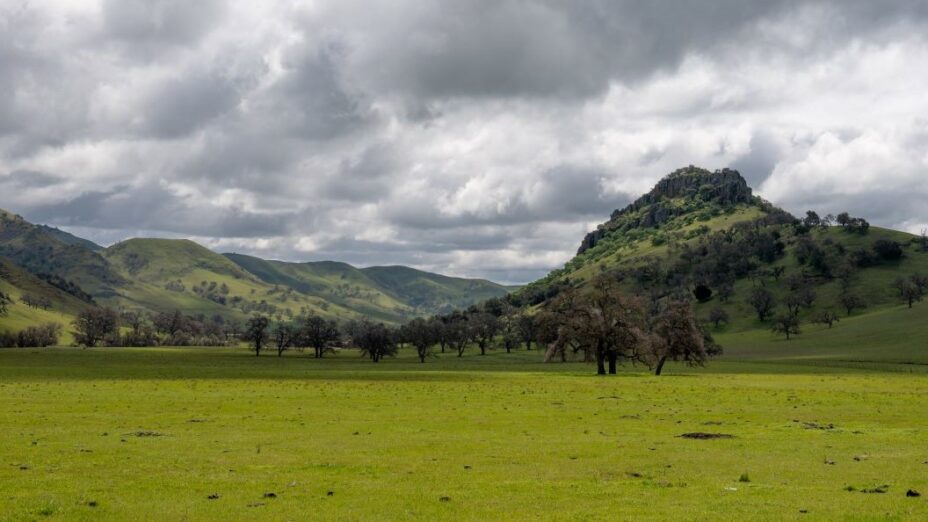
The Panoche region is one of many biodiverse landscapes in the Diablo Range that needs protection from development. Photo: Scott Hein
Killing the Public Lands Rule—Down with the Environment, Up with Logging, Mining, and Fossil Fuels
In the fall of 2025, the federal government mounted yet another attack on nature that would greatly impact the Diablo Range: rescission of the Public Lands Rule.
The Bureau of Land Management finalized this rule in April 2024. It places conservation and recreation on an equal playing field with other uses of public lands, including extractive activities like mining and grazing.
The rule prioritizes land health and resilience of ecosystems as necessary to achieving the Bureau of Land Management’s longstanding multiple use and sustained yield mission in the face of climate change.
This change implemented by the Biden administration is now under attack by the second Trump administration, which seeks to rescind it to once again prioritize mining, logging, oil and gas drilling, and other destructive uses over and above any environmental considerations.
The Public Lands Rule already allowed such uses on BLM lands. What the Trump administration seeks is to destroy any semblance of balance between ecosystems and exploitation.
We strongly oppose the proposed rescission of the rule because it is an important tool to manage public lands for the benefit of human and natural communities.
Giving responsible and sustainable management of natural resources found on public lands due consideration does not in any way prohibit consideration of the same lands for other uses.
The Public Lands Rule helps deliver cheap ways to work toward and maintain clean air, clean water, beautiful scenery, healthy wildlife populations, and important ecosystem services.
These ecosystem services include pollination, groundwater recharge and retention, and regulation of temperatures.
The Public Lands Rule helps to combat extreme heat, extreme rainfall events, and drought.
Hundreds of thousands of acres of public land in the Diablo Range would face increased threats from damaging and infeasible land uses without the rule.
We have made formal comments to the BLM and the Department of the Interior asking them to drop this costly, unnecessary, and damaging proposal.
Realistically, attacks on nature like this might get more serious and happen more often in the next three years. The good news is that California has the resources to fight back effectively.
Save Mount Diablo and allies will continue our work to stand up for the wildlife, ecosystems, and the healing power of the Diablo Range.